


Decision support in disease detection
Cardisiography does not diagnose; it provides decision support to the physician in the diagnostic process. The physician makes the diagnosis. Using artificial intelligence and the scientific concept of vectorcardiography, our technology supports the physician's decisions on the following disease groups:
Where Cardisiography (CSG) supports decisions

Rhythmological diseases
Cardiac arrhythmias (rhythmology) are noticed by patients as an abnormally beating heart. Physicians can distinguish between the slow heartbeat (bradycardia), the misguided heartbeat (bundle branch block) and the fast heartbeat (tachycardia).

Coronary diseases
In coronary heart disease (CHD), the coronary arteries are narrowed and calcified as a result of atherosclerosis. Atherosclerosis refers to the pathological storage of cholesterol esters and other fats in the inner wall layer of arterial blood vessels. This inflammatory process can begin at a young age.

Structural diseases
“Structural heart disease” refers to all diseases of the heart involving a physical defect in the valves or the walls of the heart, affecting its functioning.
Causes & symptoms
Reduced blood flow and agitation disorders of the heart can have various causes. Early detection of the underlying disease is crucial for a good prognosis. This information is general advice and must not be used for self-diagnosis or self-treatment and cannot replace a visit to the doctor.
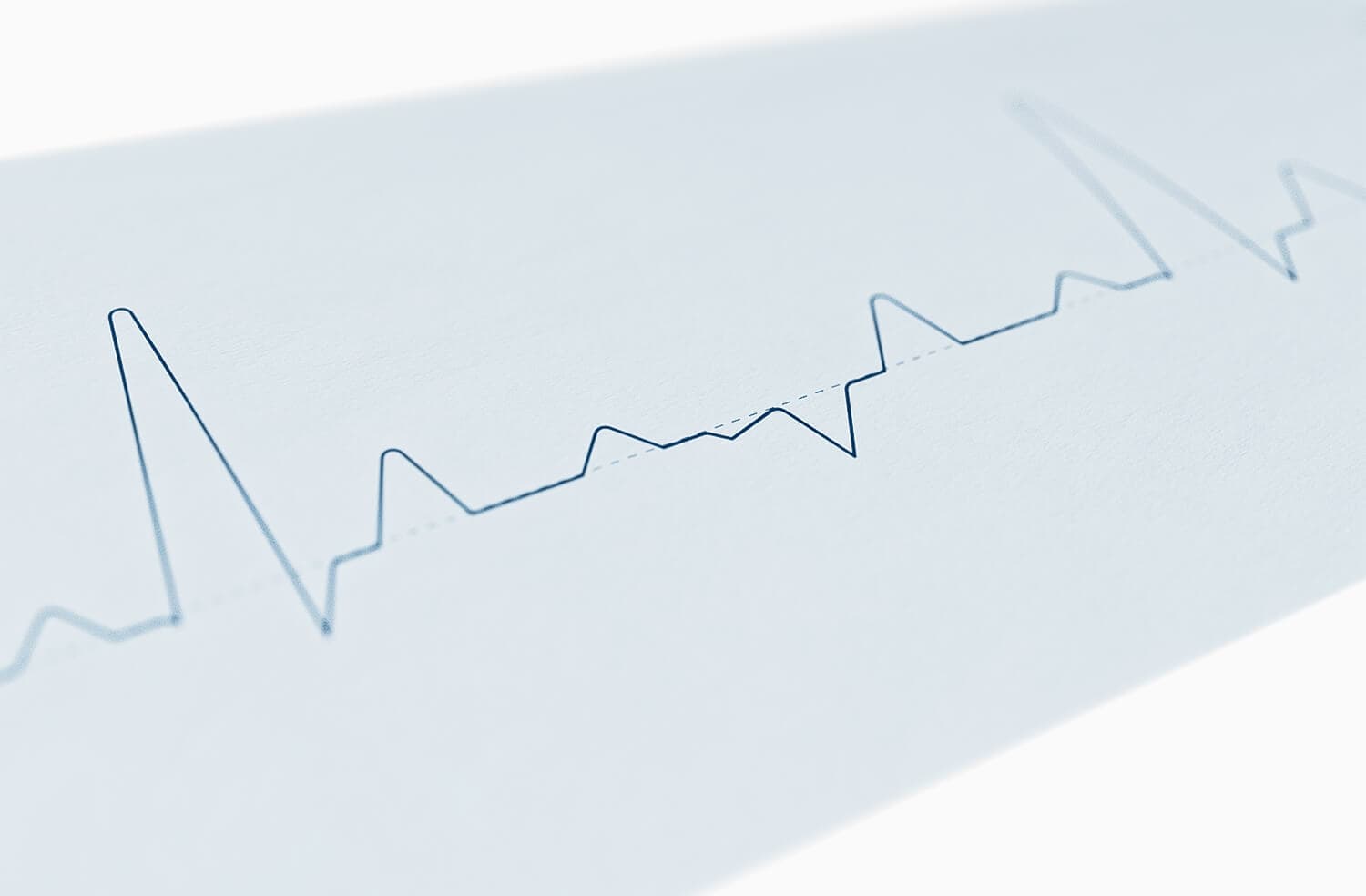
Cardiac arrhythmias (arrhythmia)
Cardiac arrhythmias are a disturbed or irregular sequence of heartbeats as a result of impaired electrical conduction. While there are "harmless" rhythm disturbances (e.g. occasional heart stumbling), others can lead to serious complications (e.g. strokes as a result of atrial fibrillation or life-threatening ventricular fibrillation).
Stenosis
Stenosis is a narrowing of blood vessels or other hollow organs. While stenoses of the blood vessels is usually caused by atherosclerosis, it can also be caused by injury or inflammation, and can even be congenital. In coronary heart disease (CHD), stenosis is often manifested by anginal symptoms (angina pectoris- recurring chest pain or discomfort). A stenosis is often the precursor of a closure, which then leads to heart attack.
Heart valve defects
Causes of heart valve defects are often age-related wear (calcifications, deposits), bacterial infections, rheumatic diseases and/or congenital heart defects. Heart valve defects can affect all valves of the heart. Either the flaps on the valve narrow, preventing blood from being expelled properly, or they become ineffective, allowing the blood to flow back into the corresponding heart cavity.
Angina pectoris
Angina pectoris (chest pain) is a seizure-like pain in the chest triggered by a temporary circulatory disorder of the heart. Angina pectoris is therefore not a disease, but a symptom of acute or chronic coronary insufficiency.
Coronary heart disease (CHD)
Coronary heart disease (CHD) is the manifestation of the so-called atherosclerosis (calcification) and is caused by constrictions or occlusions in the coronary arteries. These vessels lie like a wreath around the heart. Constrictions of coronary arteries are caused by fat and calcium deposits on the inner walls (plaques). CHD leads to a circulatory disorder of the heart muscle, which in turn can cause chest pain (angina pectoris), or lead to serious complications such as cardiac insufficiency, cardiac arrhythmias, heart attack or even sudden cardiac death. Coronary heart disease is not curable! The treatment pursues two goals: to alleviate symptoms and prevent dangerous consequences such as heart attacks. Most people with coronary artery disease are symptom-free and feel fine until they have a heart attack.
Shortness of breath, heart stumbling and dizziness
Dyspnea (shortness of breath) is the subjective feeling of insufficient breathing. The cause can be lung disease or heart disease, especially coronary heart disease. "Heart stumbling" and dizziness, often along with restlessness and lightheadedness, can be indications of a cardiac arrhythmia.
Inflammation of the heart muscle or valvular apparatus
Inflammation of the heart muscle (myocarditis) or the inner lining of the heart and heart valves (endocarditis) are inflammatory diseases. They are often triggered by bacteria, but can also be the result of rheumatoid disease. Many inflammations are asymptomatic, but can take a life-threatening course when paired with rhythm disturbances.
Diseases of the heart muscle (Cardiomyopathies)
Diseases of the heart muscle (cardiomyopathies, e.g. hypertensive heart disease, hypertrophic cardiomyopathy) are usually accompanied by an enlargement of the heart muscle and a mechanical or electrical dysfunction. The causes are often genetic, but can also be high blood pressure or valvular defects.
Cardiac arrhythmias (arrhythmia)
Find out moreCardiac arrhythmias (arrhythmia)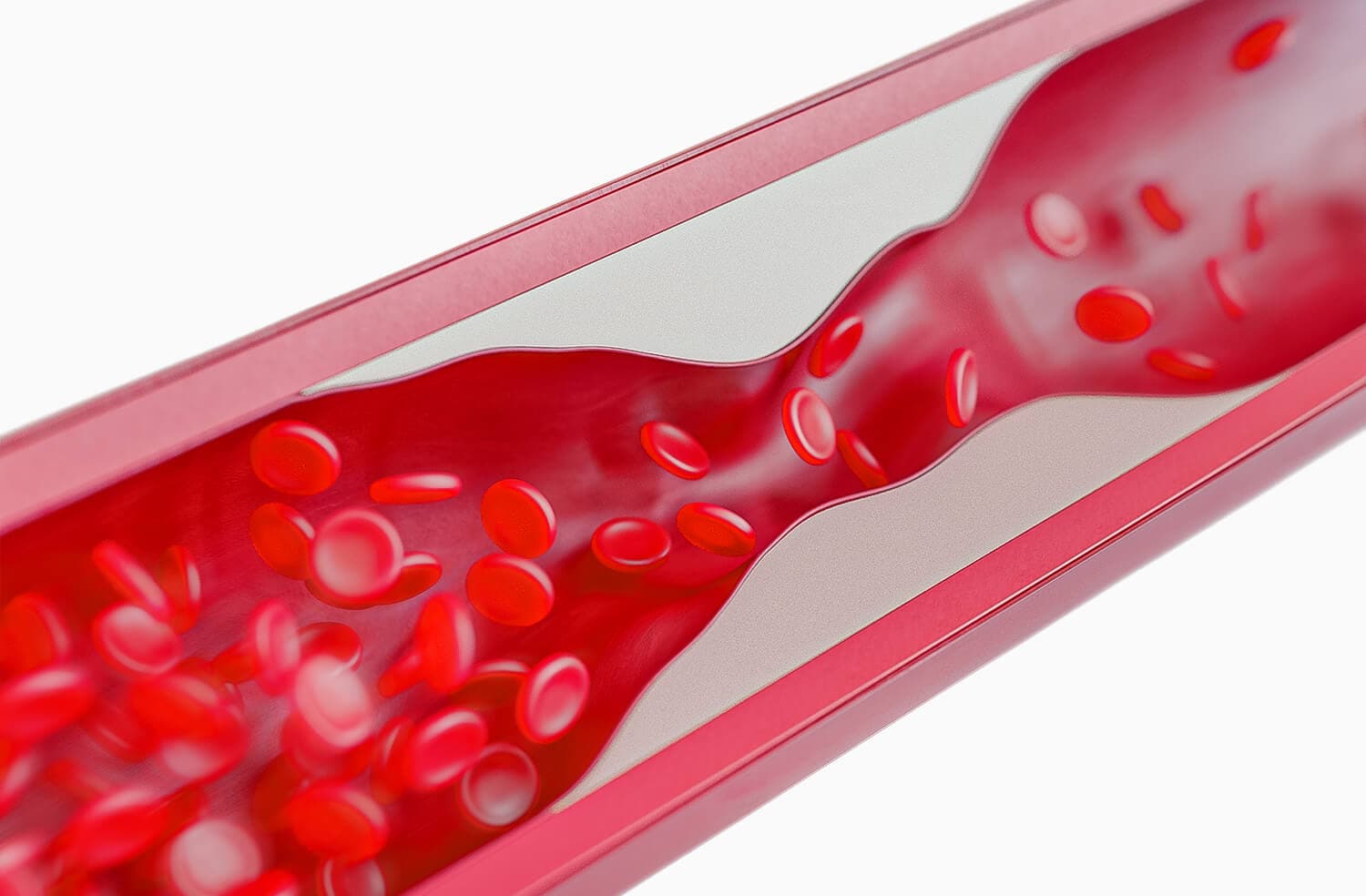
Stenosis
Find out moreStenosis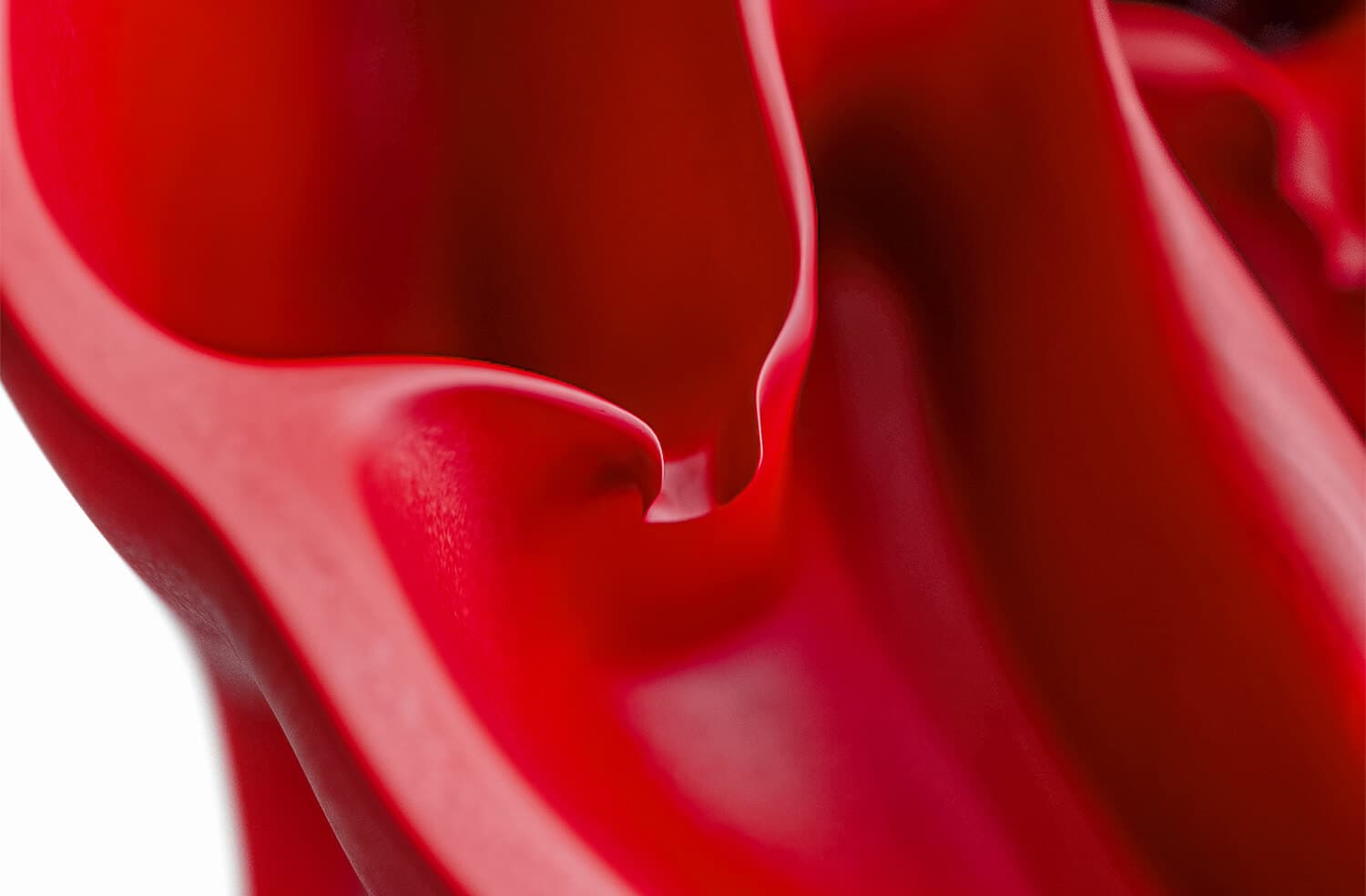
Heart valve defects
Find out moreHeart valve defects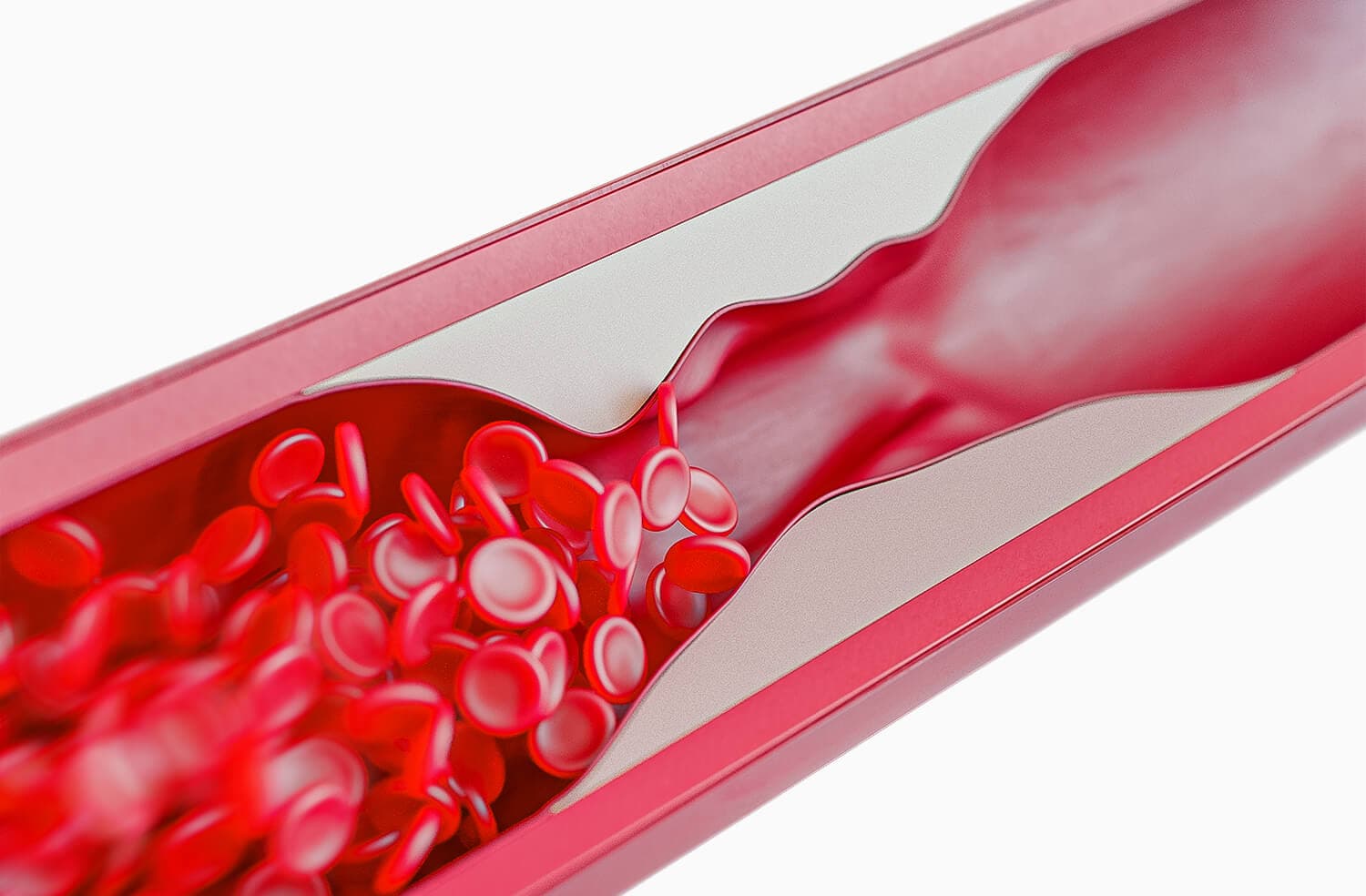
Angina pectoris
Find out moreAngina pectoris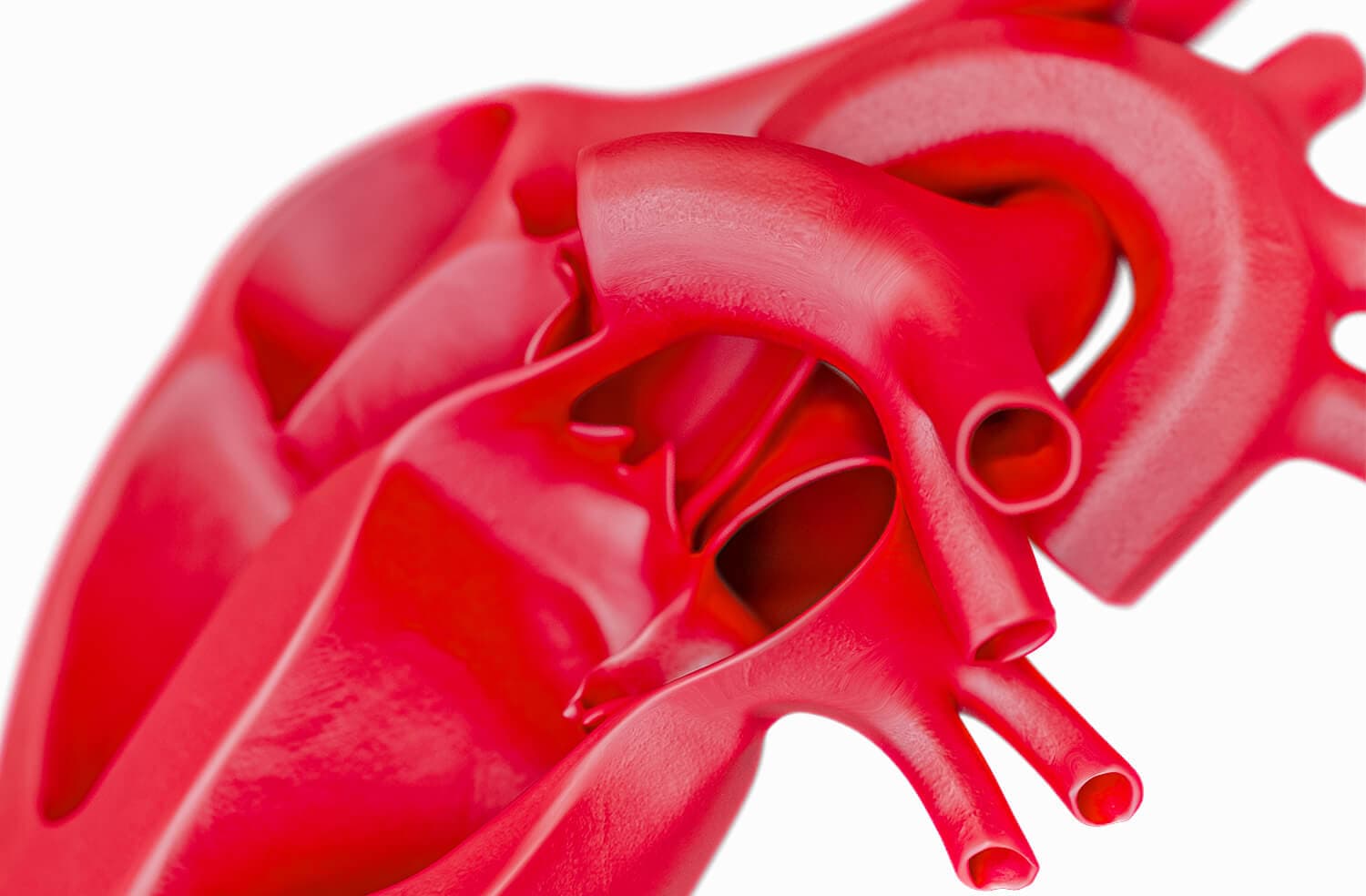
Coronary heart disease (CHD)
Find out moreCoronary heart disease (CHD)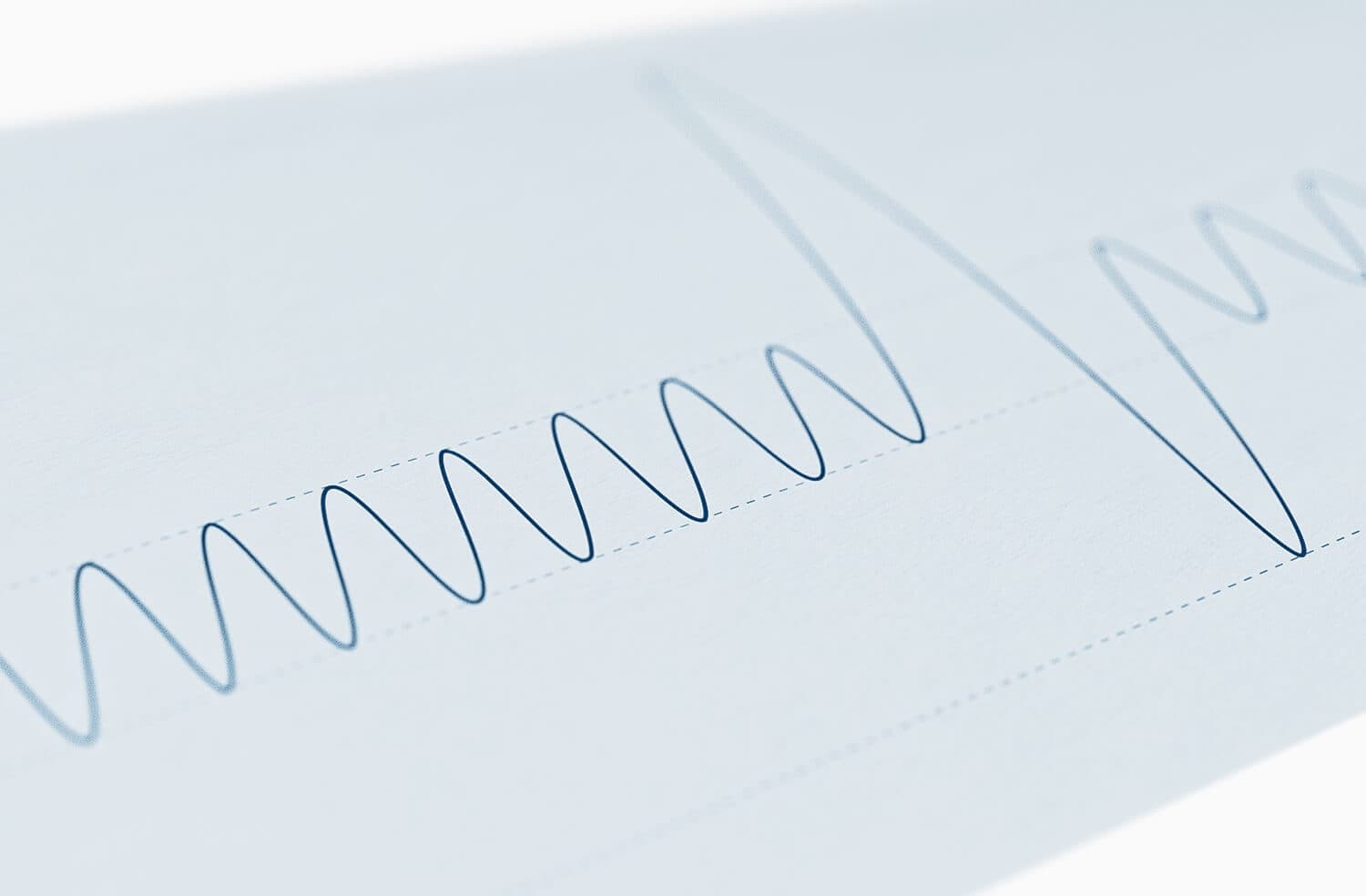
Shortness of breath, heart stumbling and dizziness
Find out moreShortness of breath, heart stumbling and dizziness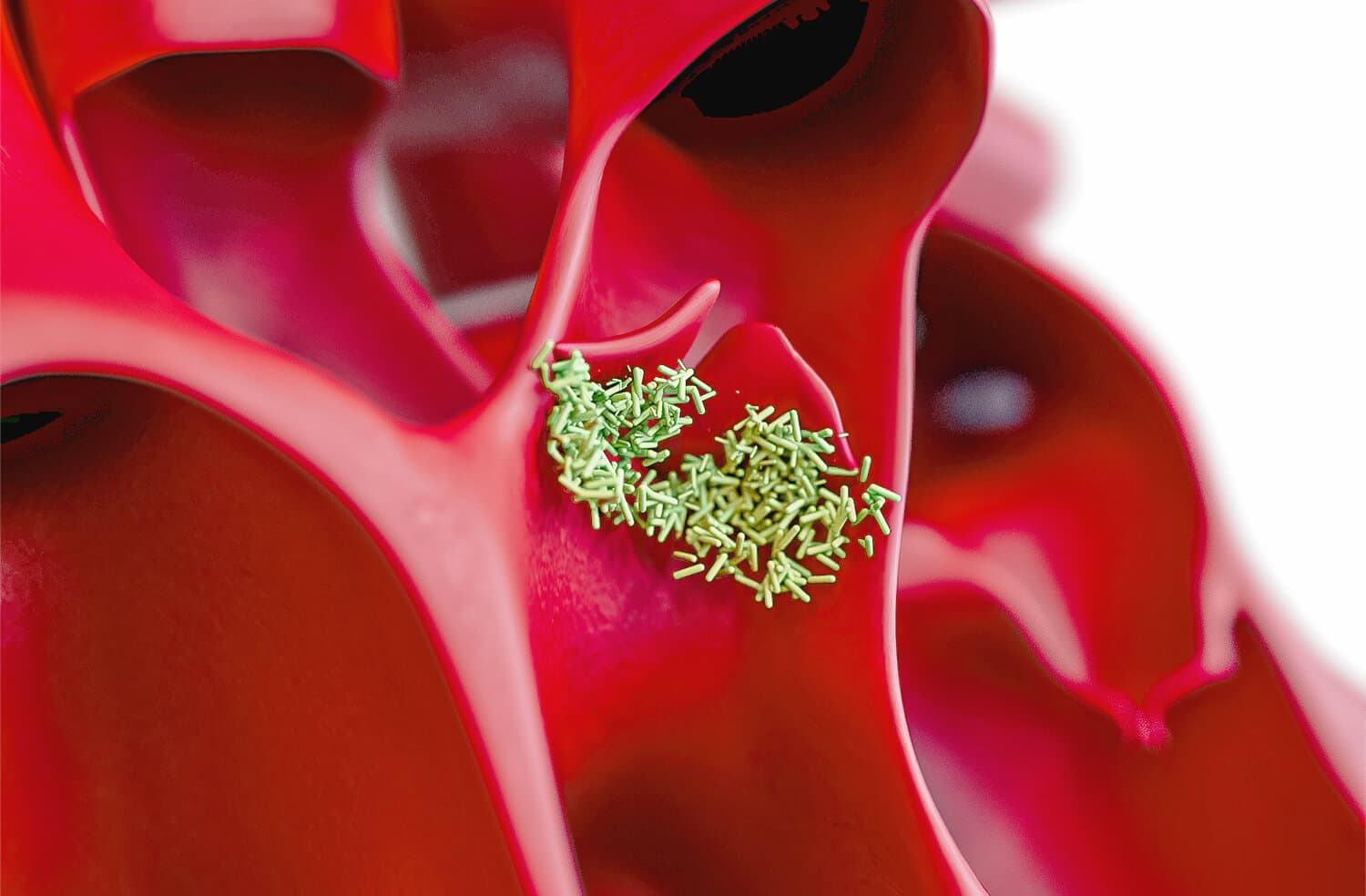
Inflammation of the heart muscle or valvular apparatus
Find out moreInflammation of the heart muscle or valvular apparatus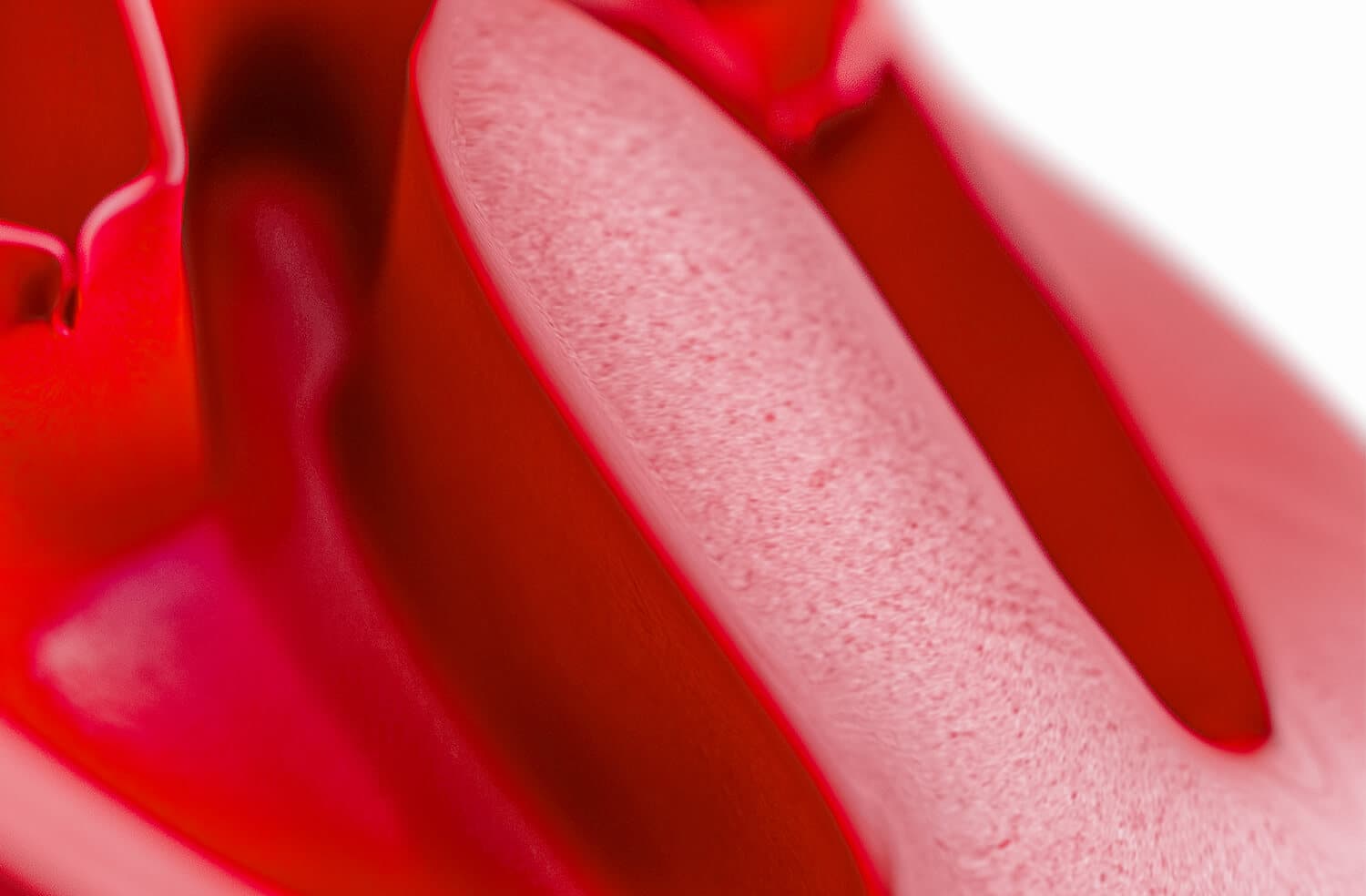
Diseases of the heart muscle (Cardiomyopathies)
Find out moreDiseases of the heart muscle (Cardiomyopathies)
Further information
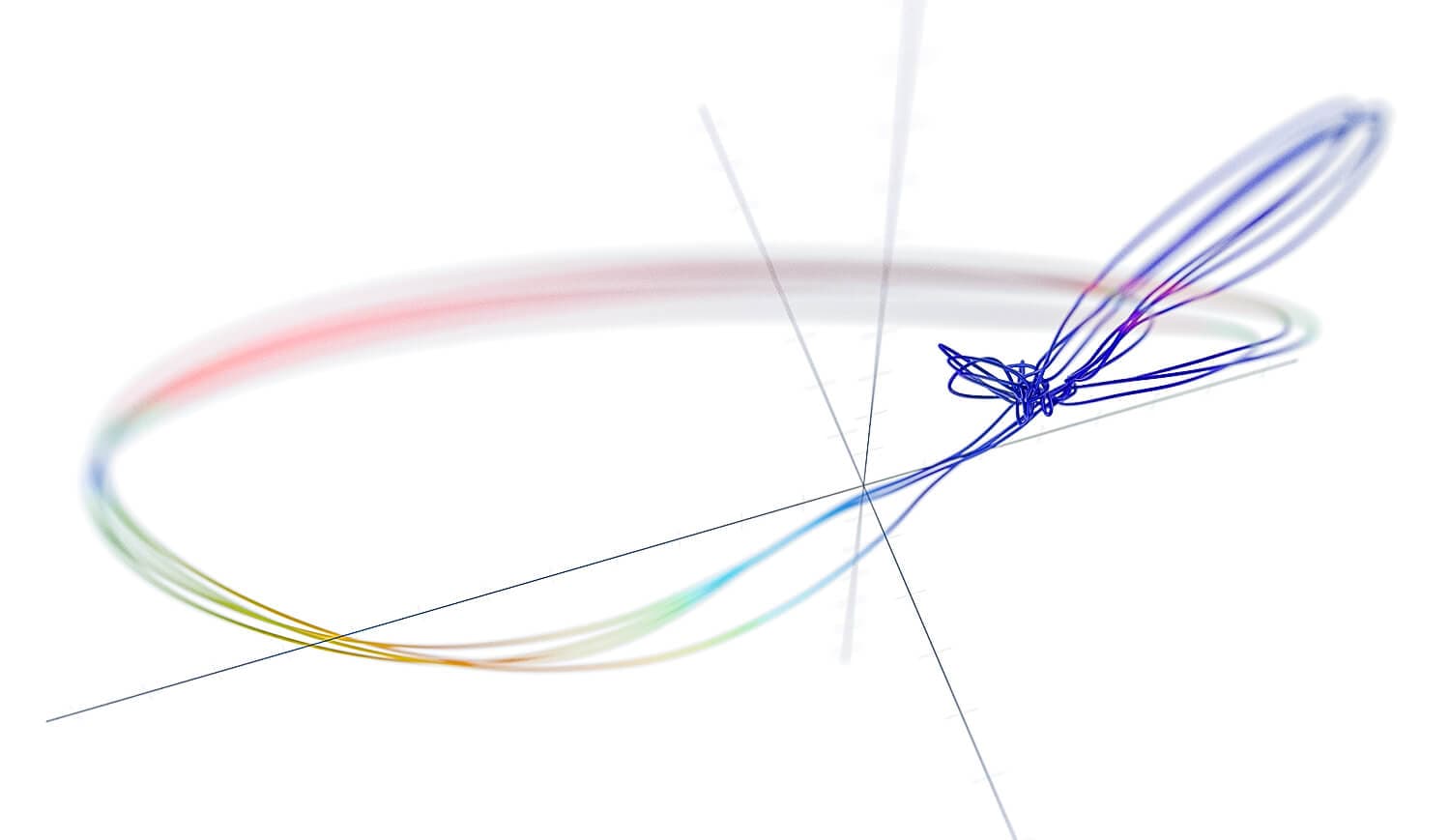
Cardisiography
Find out moreCardisiography
Clinical evidence
Find out moreClinical evidence
For clinicians
Find out moreFor clinicians