

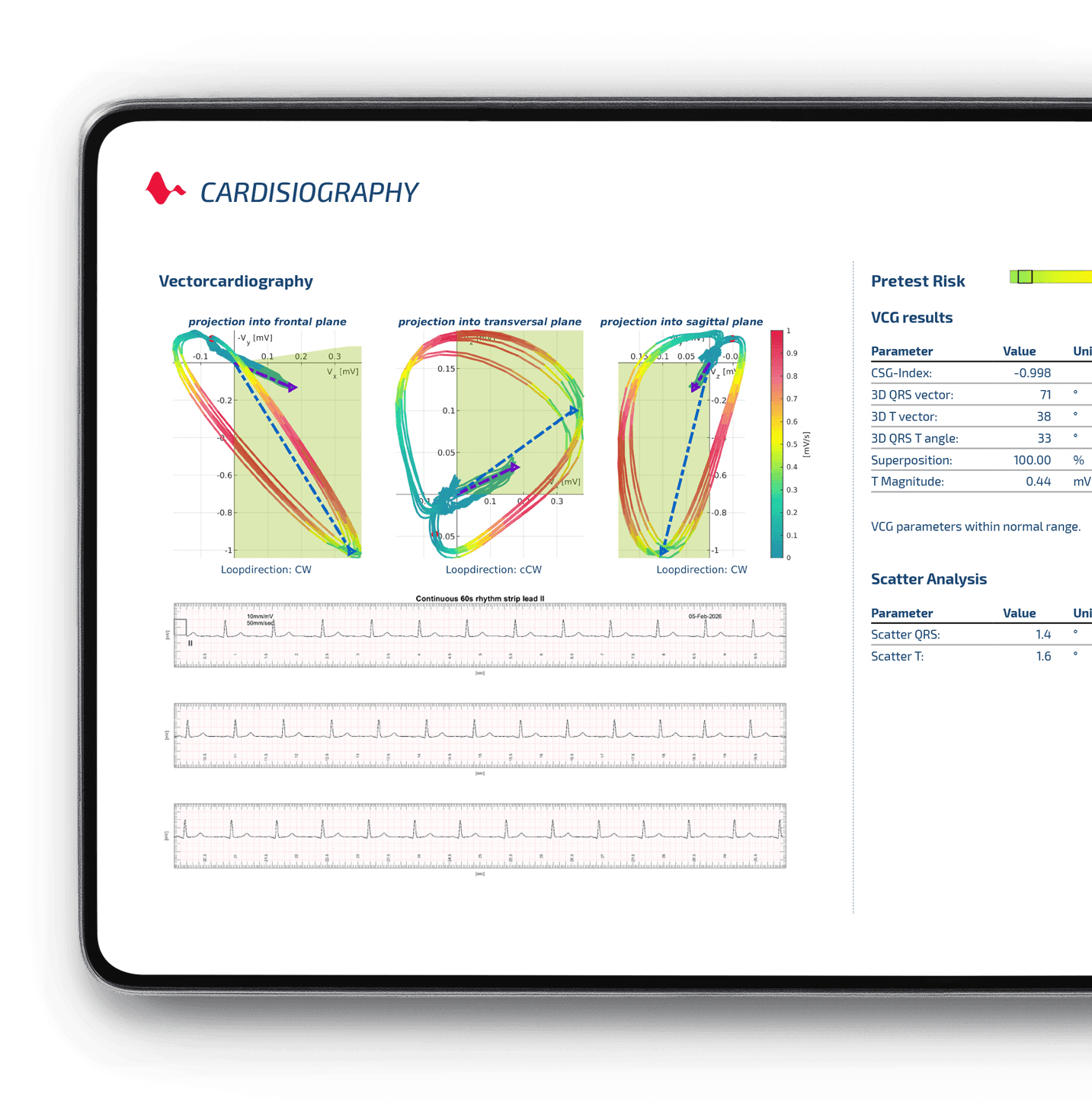
The AI-supported test that reads the heart in 3D
- Takes a four-minute recording with five electrodes.
- Results are ready within 1 minute of the recording.
Cardisiography in numbers
the manufacturer's worldwide data
130,000+
Previously undetected heart conditions have been identified by physicians in examinations performed with Cardisiography.
13
Clinical studies with patient data are listed one by one on our evidence page. Background literature and a simulation paper without patients are not counted.
The first three figures are Cardisio's worldwide data, not figures for Türkiye. Source: Cardisio, cardis.io (manufacturer's website).
The report a physician receives
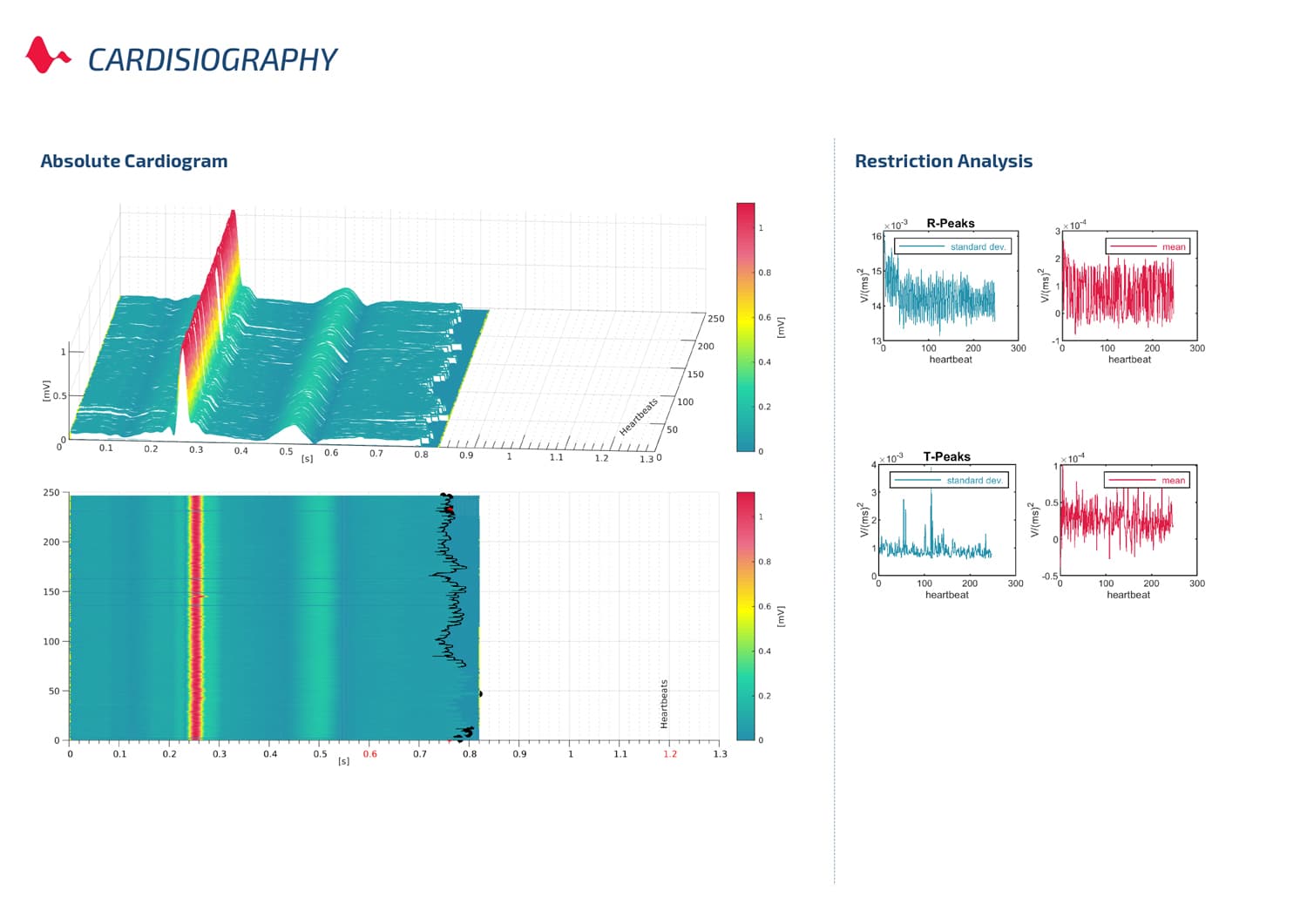
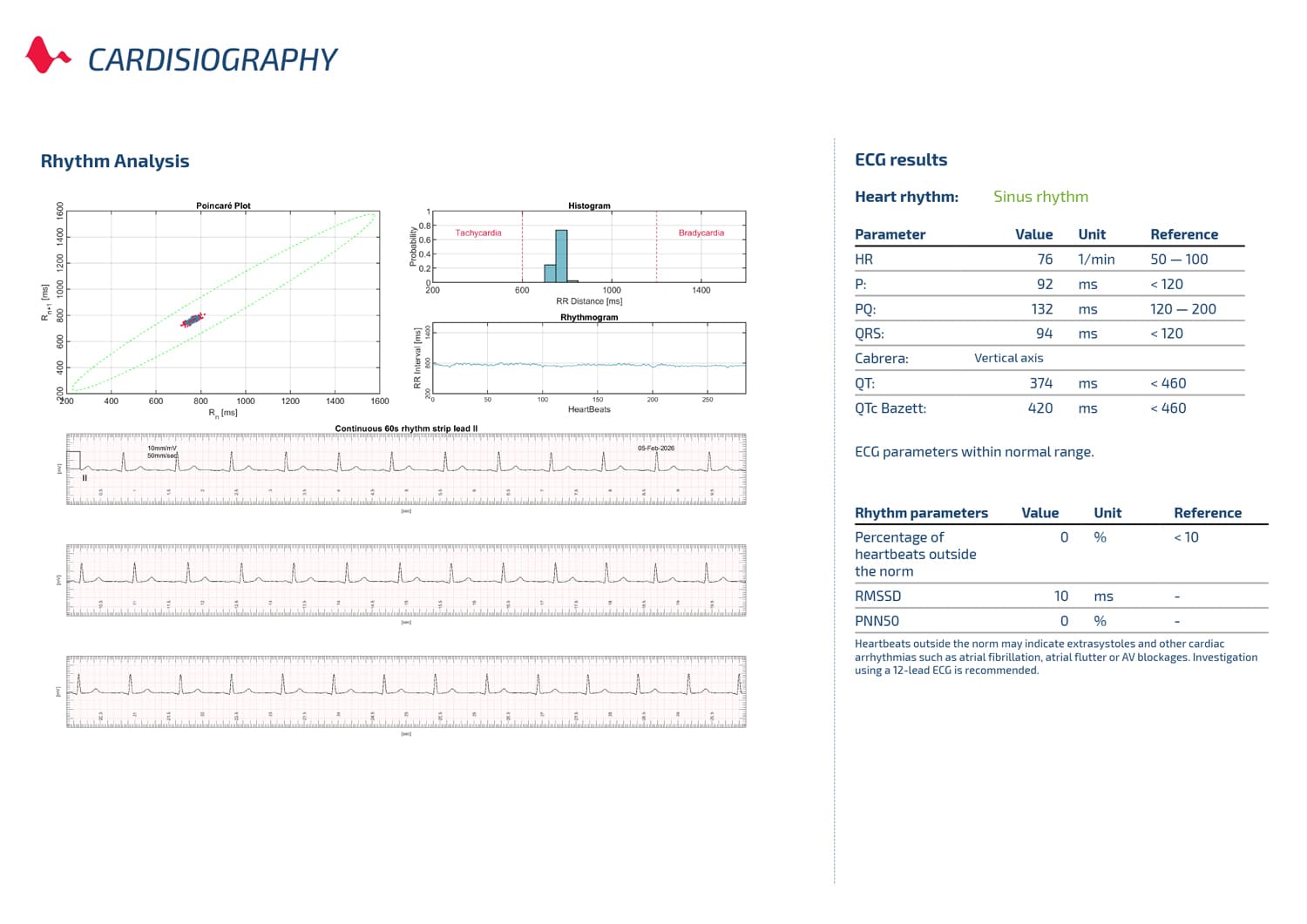
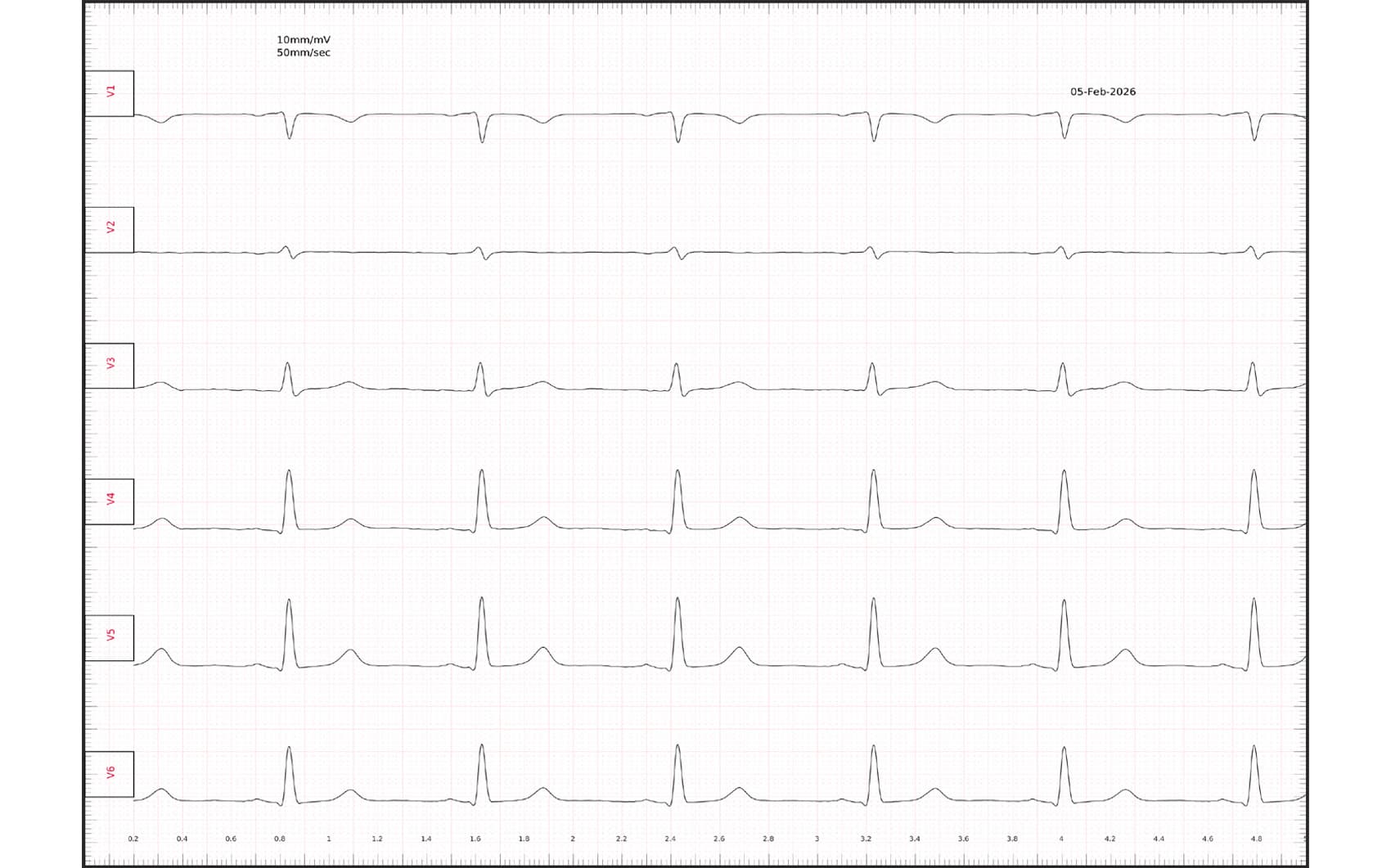
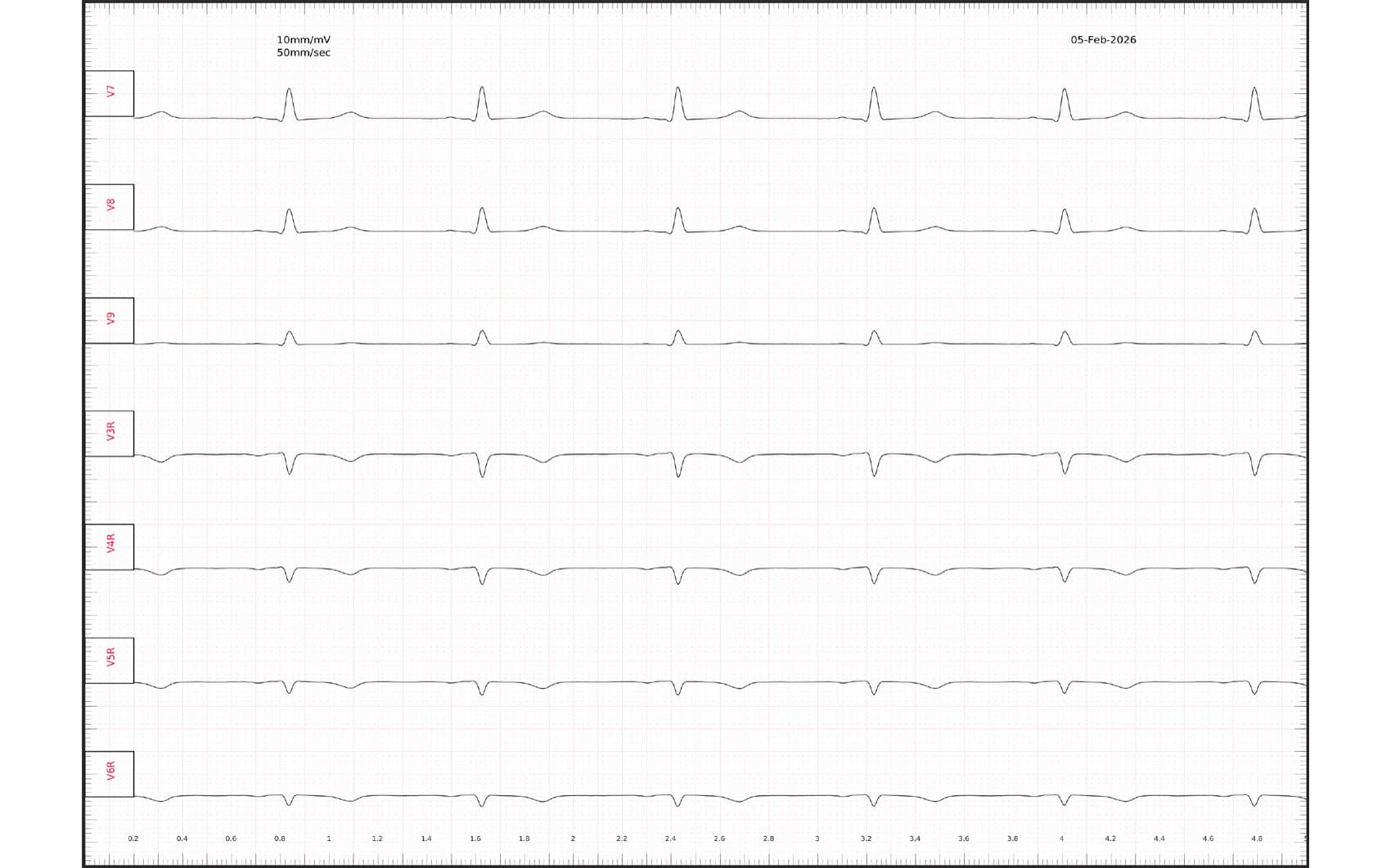
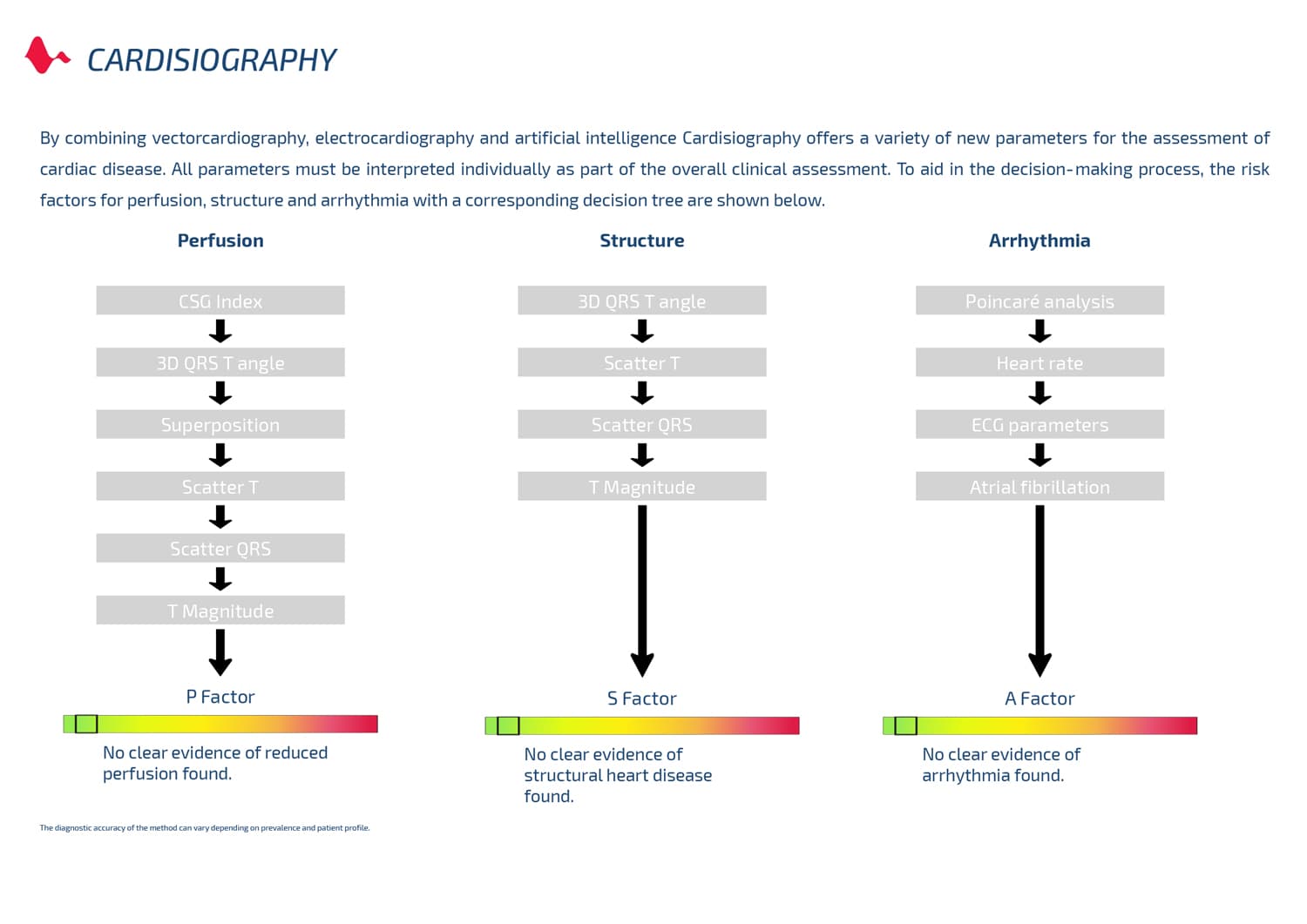
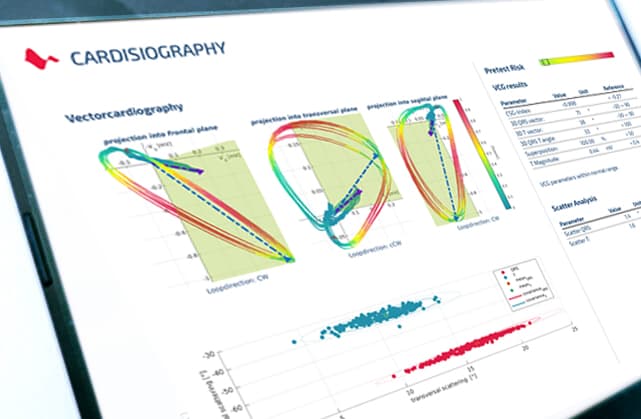
The test gives the physician an easy-to-interpret report. Six sample pages follow.
The report carries AI-powered indices: perfusion, structural heart disease, and arrhythmia index.

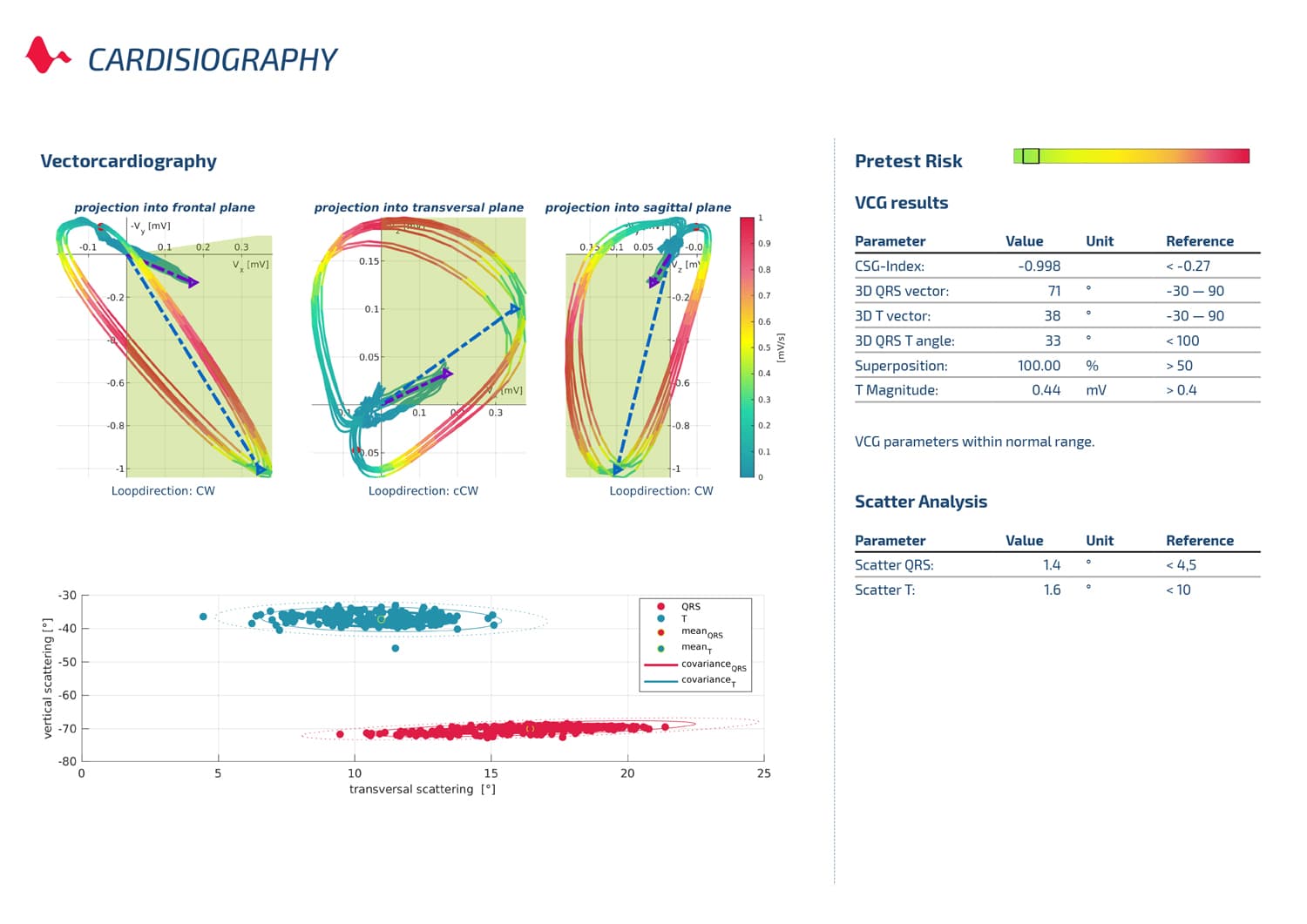
Vectorcardiography loops in three planes, with the VCG results table, scatter analysis and pretest risk bar beside them.
The test in three steps
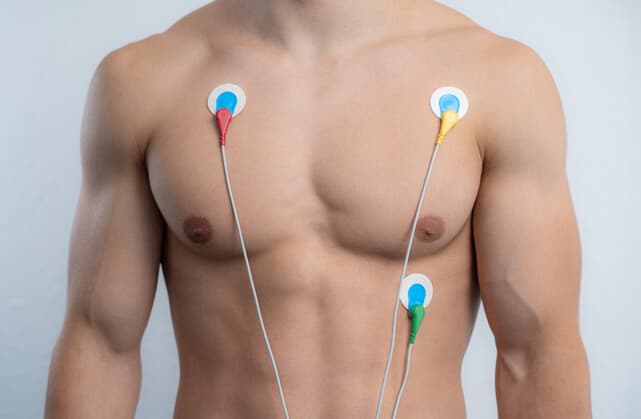
Recording
In the four-minute recording, five electrodes are attached to the body, similar to an ECG.
AI analysis
The recorded parameters are immediately transmitted to the Cardisio server and processed into a report using an AI algorithm.

Conversation with the physician
A medical professional discusses the results with the patient.
Decision support in disease detection
The manufacturer states that, thanks to the simple and accurate decision support that Cardisiography offers, physicians can initiate appropriate treatment steps early and make informed decisions on further diagnostics and referrals. Cardisiography does not diagnose; it provides decision support to the physician in the diagnostic process. The physician makes the diagnosis.
Confirmed by evidence
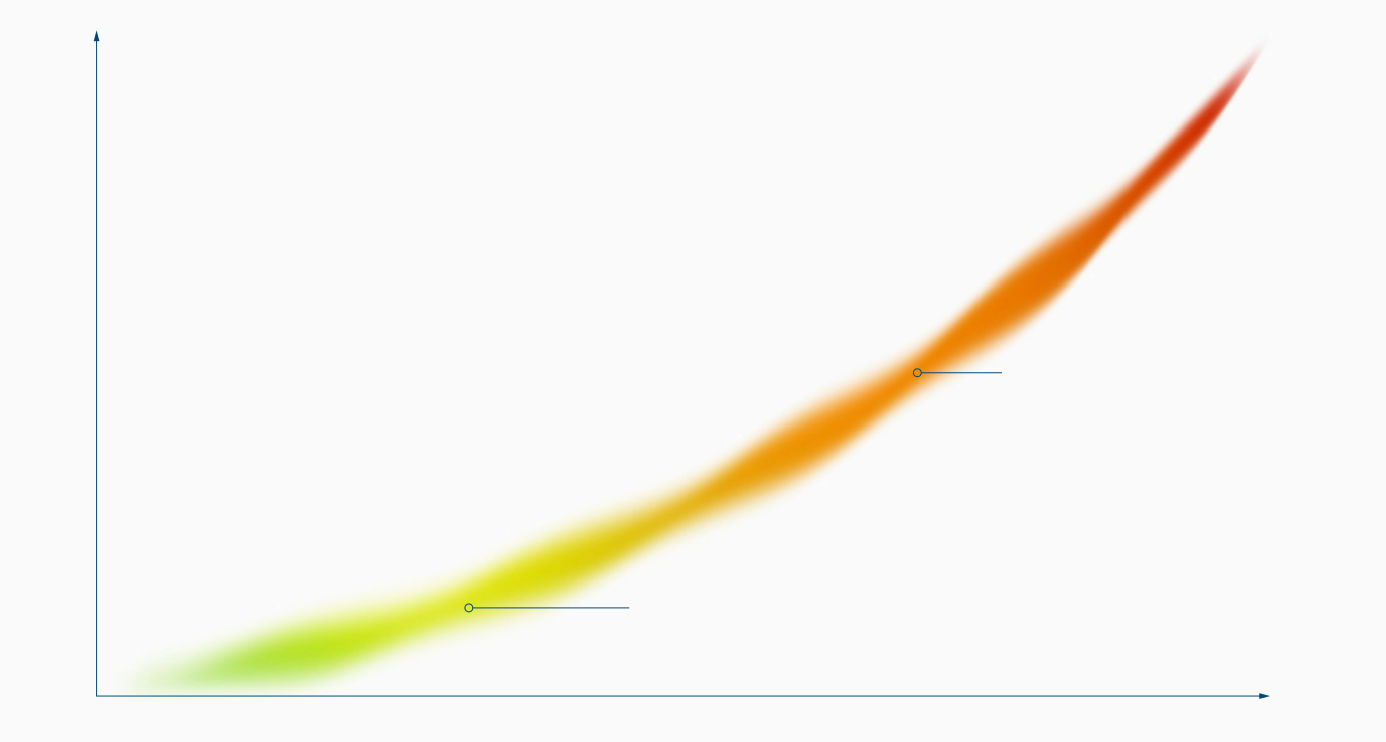
These four results come from a prospective cohort study by NHS and SBRI Healthcare on community-based heart testing in primary care. It took place in three settings (general practice, a pharmacy and a community health centre) and included 628 asymptomatic, elevated-risk adults aged 18 or over. Every result of the study is on the clinical evidence page.
Institutions where the studies were carried out



Advantages at a glance
Non-invasive
The test is non-invasive and performed while the patient is in a resting state; no stress test is needed.
Four minutes
Unlike conventional ECGs, which record for only a few seconds, Cardisiography analyzes the heart over four minutes.
Five electrodes
The test is performed much like an ECG, with five electrodes, at rest.
In 1 minute
Results within 1 minute of the recording.
A readable report
The report is delivered as a PDF and laid out so the physician can interpret it easily.